Protecting Native Inheritances in the 21st Century with Fiber
Protecting Native Inheritances in the 21st Century with Fiber
For tribal nations, sovereignty and the preservation of indigenous cultures is fundamentally intertwined with the scrutiny, acceptance, and adoption of the latest technologies. This path provides a sustainable bridge between generations while creating jobs and strengthening ownership and self-governance.
On the plains of South Dakota, two separate entities are leveraging fiber and biology to construct the most recent spans of this bridge. Cheyenne River Sioux Tribe (CRST) Telephony Authority is the oldest tribal telecommunications company in the United States, founded in 1958 when the tribe purchased a privately-owned service provider. “My father led the effort,” said Guthrie Ducheneaux, President of the Board of Directors for CRST Telephone Authority. “We were the first tribe to borrow from the Rural Electrification Administration to upgrade our plant. In the late 1990s, we started installing fiber as a backbone for hauling local and long-distance traffic in our service area.”
At the turn of the century, CRST Telephone Authority upgraded all five of its telephone exchanges to Nortel Digital Switches and had deployed over 250 miles of fiber to connect everything along with over 1,800 miles of buried underground copper to deliver continuous and reliable service throughout the harsh winter weather of the planes. In 2008, tribal leadership approved a USDA RUS loan application for building fiber to the home across the Cheyenne River Sioux Reservation. Deployment started in 2010 with the initial build of 1,500 miles of fiber completed in December 2016.
Fiber now provides broadband, voice, and video services to residential subscribers as well as broadband and voice services for businesses across CRST’s service area of 4,600 square miles encompassing 20 communities. It is also the broadband foundation for the (NativeBio), a consortium designed to preserve and protect the ownership, benefit, and self-governance of indigenous peoples’ ancient, genetic, environmental, traditional, and social data.
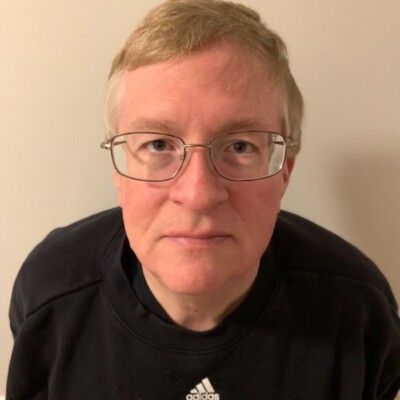
“NativeBio is founded on the principle that research using indigenous people’s genetic data should be led by indigenous people themselves,” said Joseph Yracheta, co-founder and Executive Director, NativeBio. “We need to ensure that studies and advancements serve and benefit the involved communities, rather than exploiting that information without regard to the social impacts and for simple economic gains.”
The educational non-profit has recently moved into a modest 2,600 square foot facility in Eagle Butte, South Dakota, which includes a 1,000 square foot genetics laboratory for sequencing DNA and an air-gapped terabyte-class server farm to store biodata for the Cheyenne River Sioux Tribe and other indigenous communities on a confidential basis. “The building is a refurbished country club,” said Yracheta. “There’s still a driving range and they converted the other holes into a disc golf course.”
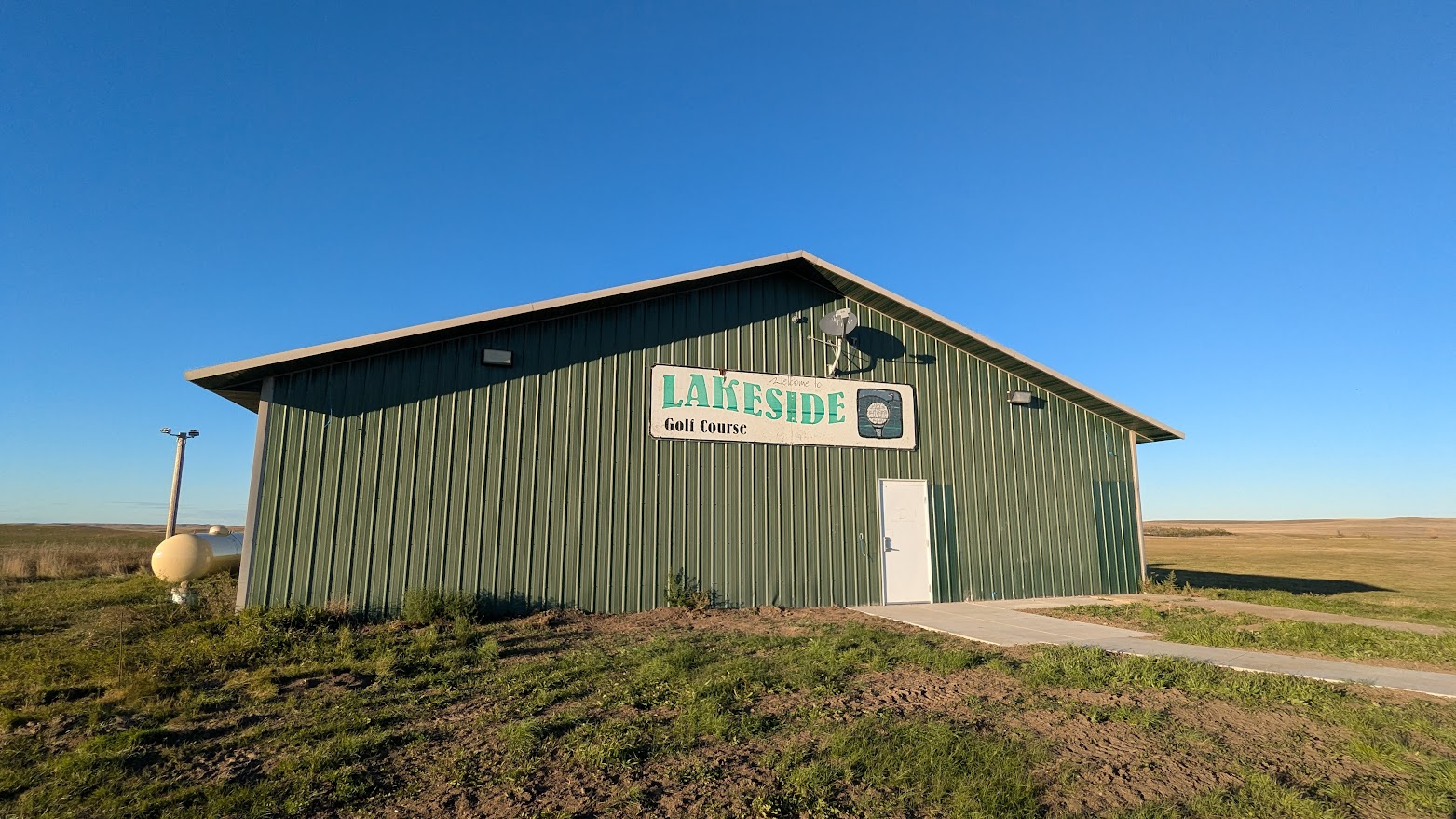
NativeBio’s 1,000 sq. ft. genetics laboratory resides in a repurposed country club building. Source: Native Biodata Consortium
But the modest facility is only the start of what will ultimately be a $20 million Native BioData Campus with multiple buildings, anchored by a 11,100 square foot, state of the art research facility and including seven units of on-campus housing to host short and long-term residences. The Campus will be a center of excellence that creates biotech jobs and educational opportunities for indigenous people on a local and national scale.
“We want researchers to come here and feel the impact of what it means to stand in a place like this and change how they think about working with Indigenous Peoples,” said Ducheneaux, who also serves as NativeBio’s Board President.

Related Content

South Carolina, 24/September/2026: (“STL”) [NSE: STLTECH], a leading connectivity solutions provider for AI-ready digital infrastructure, has strengthened its Neuralis Data…

Fiber for Breakfast Week 38: 30 Years of Broadband: What We’ve Built, What We’ve Learned, and What Comes Next Thirty years ago, broadband looked quite…
For decades, the broadband conversation has focused on connecting people, homes, schools, businesses, and communities to information. The Fiber…