
Securing the Investment: Why Damage Prevention is the Fiber Industry’s Greatest Responsibility


Securing the Investment: Why Damage Prevention is the Fiber Industry’s Greatest Responsibility
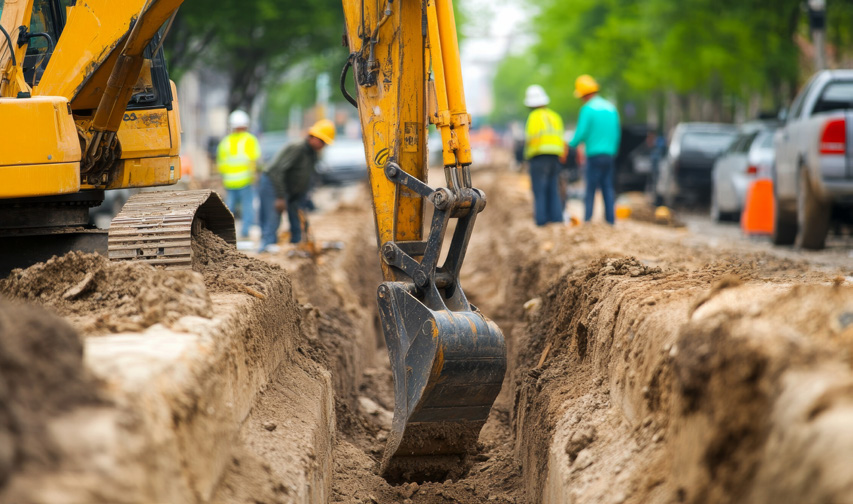
In the modern era, fiber optic connectivity is no longer a luxury; it is the central nervous system of our economy, our healthcare system, and our social fabric. As the United States embarks on a remarkable era of infrastructure expansion — fueled in part by billions in federal funding through government programs like BEAD (Broadband Equity, Access, and Deployment) and private investments in AI Data Centers — the physical integrity of these underground networks has never been more vital. Yet, as providers rush to bridge the digital divide and connect every community, a persistent threat looms just beneath the surface: excavation damage.
By Ariane Schaffer, Head of Federal & State Policy, Gfiber, and Brendon O’Boyle, National Sales Manager, PLP
Source: Adobe
For the fiber industry, damage prevention is often viewed through the lens of operational expense or the cost of doing business. However, a series of recent events and emerging data suggest that damage prevention must be elevated to a core strategic pillar for all involved stakeholders. To protect the investment of shareholders and the safety of the public, fiber providers must move beyond passive compliance and become proactive leaders in the damage prevention ecosystem.
A Cautionary Tale: The Town of Mitchell
Underground infrastructure is crowded and complex, and a mistake by one provider can have life-threatening consequences for an entire community. On November 15, 2025, the community of Mitchell in Sheboygan County, Wisconsin, served as a harrowing reminder of these risks. According to reports from Spectrum News, a contractor struck a high-pressure gas line while conducting operations on an internet service provider’s underground infrastructure.
The results were immediate and severe. The rupture forced a massive emergency response, leading to the mandatory evacuation of local residents and the cordoning off of large swaths of the area as gas spewed into the atmosphere. Multiple fire departments and emergency management agencies were required to manage the perimeter and mitigate the risk of a catastrophic explosion.
For the fiber industry, the incident was a wake-up call for all of us, and it’s just one of many. While the goal was to expand digital connectivity, the lack of precise locating nearly resulted in a tragedy. This incident highlights that occupants in the public right of way accept a fundamental responsibility to the public. When a broadband contractor strikes a gas line, the reputational and legal fallout doesn’t just fall on the crew with the drill — it falls on the provider whose name is on the permit and on our industry as a whole.
The Costs of Damage
Damage is bad for business, and the economic impact on a community often manifests as monetary penalties. According to United Cooperative Services, an electric cooperative serving approximately 79,000 members in Texas, damages to their fiber cable occurred at a rate of 35-40 per week in 2021. The shallow depth of fiber drops, combined with a lack of public knowledge to call 811 before digging, means that something as common as hand-digging in a garden can result in costly repairs to their network.
Annual costs to United, as reported in 2021, could exceed $300,000 per year when factoring in larger fiber cable cuts, which cost between $15,000 – $20,000 each. When other utilities are hit, the total cost depends on the potential for collateral damage, but at a minimum, it leads to widespread service disruption and a high probability of rate increases as utilities pass on unforeseen operational expenditures to their members.
In a world where businesses rely on cloud computing and consumers rely on telehealth, a fiber cut is no longer a minor inconvenience — it is an economic blackout.
The Reality of the DIRT Report: A Call for Data
To understand the scale of the problem, one must look at the data provided by the Common Ground Alliance (CGA). The CGA’s annual Damage Information Reporting Tool (DIRT) Report is the industry standard for quantifying the health of our underground infrastructure.
The most recent DIRT data reveals a sobering reality: the number of excavation damages remains stubbornly high. The report identifies “no notification to the 811 center” as the root cause of over 24% of all underground damages. “Excavators failed to maintain clearance after verifying marks” and “facility not marked due to locating error” place second and third in root causes for damages, with these top three root causes sharing collective responsibility for over 50% of underground damage in the United States. This suggests that as broadband projects ramp up, so should damage prevention resources.
However, there is a specific gap the fiber industry must address. Historically, telecommunications and fiber providers have been among the most under-reported sectors in the DIRT database. Many in the industry treat strikes as internal maintenance issues rather than data points for national safety. This lack of reporting is a strategic error.
The DIRT report is used by legislators and regulators to determine where to allocate resources. If fiber companies do not submit their damage data, the specific challenges of our industry — such as the high frequency of shallow-depth drops — remain invisible to those who write the laws. By submitting to DIRT, fiber providers contribute to a crowdsourced safety model that allows the industry to advocate for more effective 811 legislation.
Scaling Responsibly: Balancing Speed with Infrastructure Integrity
The urgency of this issue is compounded by the current “Fiber Boom.” According to the FBA’s 2025 Fiber Provider Survey, fiber-to-the-home now passes more than 98.3 million U.S. homes. While operators race to recoup investments and beat the competition to market, the FBA’s Deployment Specialist Committee warns that “rushed locates have a higher probability of being incorrect, leading to disrupted utilities, delays, and potentially harm to life and property.”
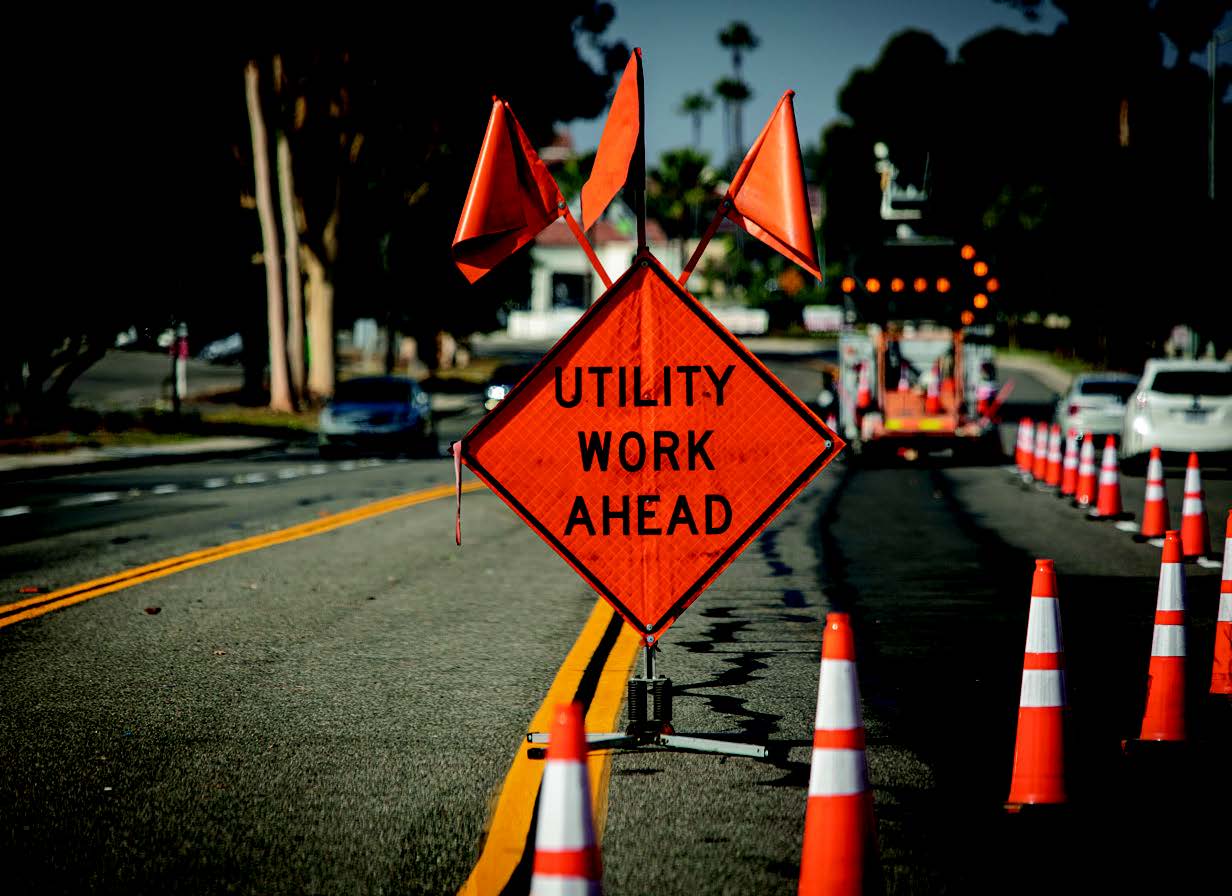
In the paper Accelerating Utility Locates, the Committee recommends several “Gold Standard” practices to mitigate these risks: White-Lining, which involves pre-marking proposed paths physically with white paint as a best practice to avoid field confusion; Scope Limitation, which limits locate requests to the excavation zone to reduce the burden on overstretched locate technicians; and Permit Synchronization, which ensures all permits are secured before requesting locates to prevent tickets from expiring and requiring wasteful re-visits.
The rush to complete projects often masks the true cost of inadequate preparation. As the FBA paper notes, “contracts that are written that prioritize low cost over high quality will lead to installation failure often.” To avoid these failures, operators should recognize that investing significant time in the planning phase is not a delay; it is a vital safeguard that prevents field errors. By prioritizing precision at the outset, providers protect their infrastructure from becoming a liability before it even goes live.
Source: Adobe
Conclusion: Protecting the Future
Our infrastructure is the bedrock of the 21st century. As we lay miles of glass through the soil of our communities, we are not just building a network; we are building a legacy of connectivity.
Damage prevention is not a bureaucratic hurdle — it is a moral and financial imperative. By leaning into the data-driven insights of the CGA DIRT report and adhering to the high-quality deployment standards championed by the Fiber Broadband Association, the fiber industry can better secure our investments. The digital future is buried in the ground. It is our job to make sure it stays there — safe, secure, and powering the world above.

Related Content

Fiber for Breakfast Week 42: From Classical to Quantum: An Infrastructure Roadmap for Fiber Operators Quantum networking can sound like…
Fiber for Breakfast Week 40: Arkansas’s Broadband Momentum Arkansas entered this decade with a lot of broadband work left to…
For tribal nations, sovereignty and the preservation of indigenous cultures is fundamentally intertwined with the scrutiny, acceptance, and adoption of the latest technologies. This path provides a sustainable bridge between generations while creating jobs and strengthening ownership and self-governance.